

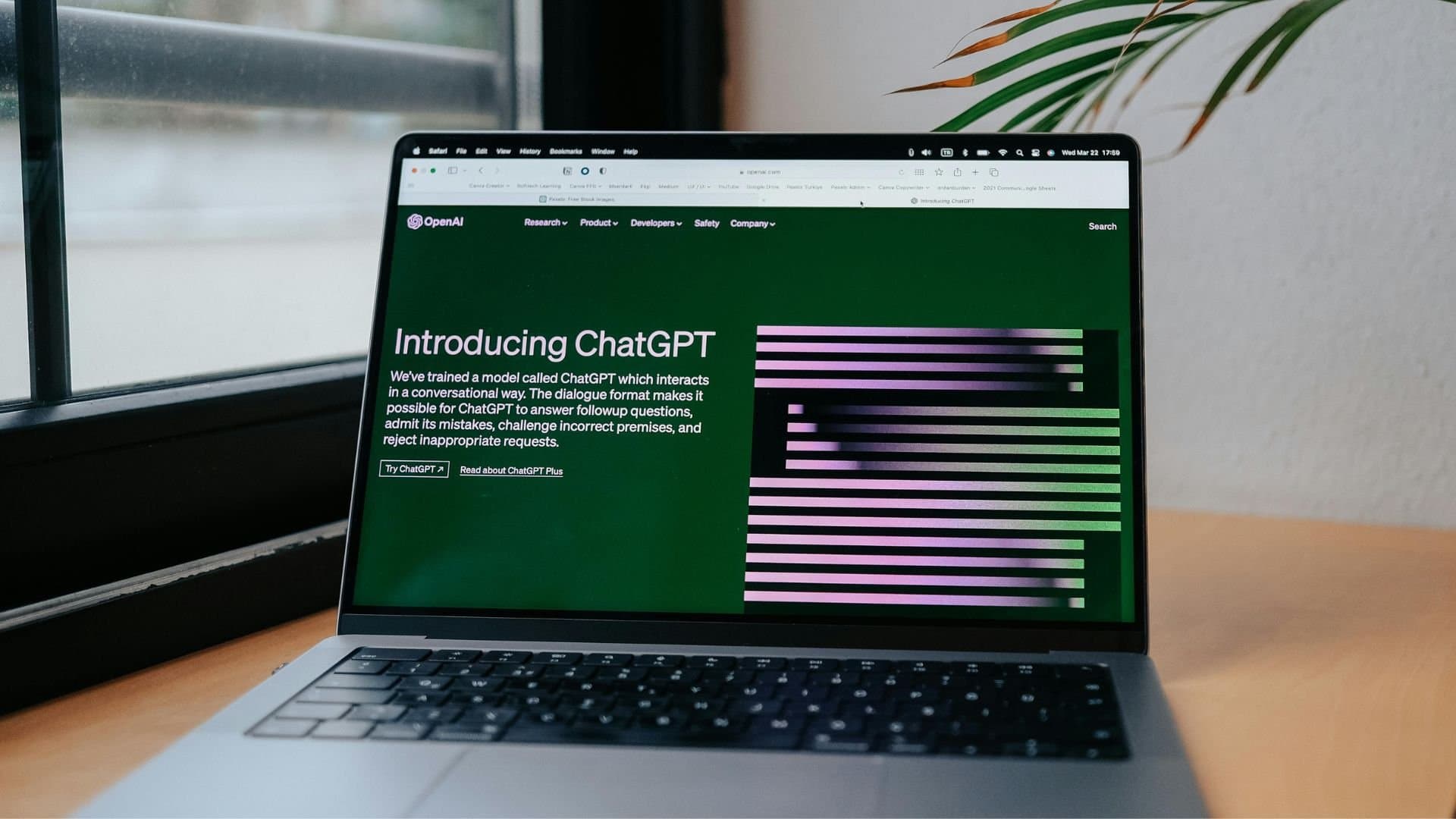
Your perfectly optimized blog post ranks in Google, but ChatGPT doesn't mention even your brand. When customers ask an AI assistant their burning questions, from product recommendations to business advice, the assistant decides which brands to name.
The short answer
- Generative Engine Optimization (GEO) is the work of making your content easy for AI assistants and AI search features to find, understand, and cite. Most of it is SEO done thoroughly: crawlable pages, clear structure, structured data that matches what's on the page, and claims backed by evidence.
- There is no secret markup. Google states there are no additional requirements or special optimizations needed to appear in its AI Overviews or AI Mode beyond its normal Search fundamentals (Google Search Central).
- Where to start: check that AI search crawlers can reach you, make your brand-fact pages unambiguous, add sources, statistics, and expert quotes where they genuinely belong, publish honest comparison content, and measure what AI tools say about you over time.
What is Generative Engine Optimization?
GEO is the practice of optimizing your content so it is visible within AI-powered platforms such as ChatGPT, Claude, Gemini, Perplexity, Microsoft Copilot, and Google's AI Overviews. Traditional SEO focuses on ranking in a list of search results. GEO focuses on whether a large language model recognizes your content and cites it when it writes an answer.
The goal isn't just being found. When someone asks an AI assistant about the solutions you sell, the services you offer, or the topics where you have expertise, GEO is how you make sure you're part of that answer.
What the research says
The term was introduced in a 2023 paper by researchers from Princeton University, IIT Delhi, and independent researchers, later accepted to KDD 2024 (GEO: Generative Engine Optimization). In their benchmark, content changes could boost visibility in generative engine responses by up to 40%. The findings that matter most for content teams:
- Evidence wins. Citing sources, adding quotations from relevant authorities, and adding statistics were the best-performing methods.
- Keyword stuffing doesn't. It delivered little to no improvement.
- Smaller players gain more. Lower-ranked websites benefited significantly more from these methods than the sites already at the top.
- The domain matters. What worked varied by subject (more on that below).
Treat these as direction, not a guarantee. The study measured a research setup, and real AI products change their models and retrieval often. The pattern does match what the platforms themselves recommend, which is why we take it seriously.
What the platforms tell site owners
Google. To be shown as a supporting link in AI Overviews or AI Mode, a page needs to be indexed and eligible to appear in Search with a snippet. Google says no special schema.org structured data is required, and advises making sure your structured data matches the visible text on the page. Traffic from AI features is included in the Search Console Performance report under the "Web" search type (AI features and your website). Its broader guidance still applies: content should be made primarily to help people, with clear signs of who created it, how, and why (helpful content guidance).
Bing. Bing Webmaster Tools added an AI Performance report (public preview, announced February 2026) that shows which of your URLs are cited in Microsoft Copilot and AI-generated summaries in Bing. Bing notes that citation counts don't indicate ranking or authority. The same announcement recommends clear headings, tables, and FAQ sections; examples, data, and cited sources; and keeping content fresh, with IndexNow to notify participating search engines of changes (Bing Webmaster Blog). Bing also asks that sitemap lastmod values reflect real content changes (Bing on sitemaps in AI-powered search).
AI assistants and their crawlers. OpenAI, Anthropic, and Perplexity each document separate user agents for different jobs:
- OpenAI separates OAI-SearchBot (surfacing sites in ChatGPT search) from GPTBot (content that may be used for model training), and says each robots.txt setting is independent (OpenAI).
- Anthropic lists ClaudeBot (collects web content that may contribute to model training), Claude-SearchBot (improves search result quality), and Claude-User (fetching pages when a person asks Claude a question), and says its bots honor robots.txt (Anthropic).
- Perplexity says PerplexityBot is used to surface and link websites in its search results, not to crawl content for AI foundation models, and lists a separate Perplexity-User agent for user-requested fetches, which it says generally ignores robots.txt because a person asked for the page (Perplexity).
The practical point: opting out of model training and staying visible in AI search are separate decisions. Make both on purpose, and check that a blanket bot rule in robots.txt or your CDN isn't blocking the search agents by accident.
llms.txt. You'll hear about llms.txt, a Markdown file at the root of a site that gives AI agents a short overview and links to LLM-friendly content. It is a proposal open for community input, not an adopted standard (llmstxt.org). It's cheap to publish, and we include one in our GEO work (see below), but treat it as a low-cost experiment, not a lever.
From our work: Universal Standard
We ran a GEO program for Universal Standard, focused on how AI systems and search engines interpret and present its product and content information. The work included JSON-LD structured data across product, category, homepage, blog, and search pages; FAQ and Size Guide content with matching FAQ schema; reviews and aggregate ratings in product schema; stronger semantic HTML; and an llms.txt file at the root of the site, alongside a robots.txt review and fewer crawl barriers.
The case study reports:
Visibility: +56% improvement across AI-driven prompts
Positioning: +15% improvement in surfaced rankings
Read the full Universal Standard GEO case study for the page-level, text-level, and markup changes behind those numbers.
The GEO playbook by query type
Different questions call for different content. These are the four query types we plan around.
Informational queries
"What is," "How does," and "Why is" questions are the foundation of AI visibility. They call for comprehensive guides that answer related questions in one place, FAQ pages with citations and data points, and explanations that use the right industry terminology. Start by auditing your existing content and adding credible citations, statistics, and expert quotes where they're relevant.
Commercial investigation queries
"Best tool for," "Product A vs. Product B," and "Top alternatives" are decision-stage questions, and in our view they are often the biggest AI search opportunity. They call for comparison pages for your product versus competitors, "best of" content for relevant use cases, and feature comparisons with pros and cons tables. Keep them honest and current: a comparison that's out of date, or obviously one-sided, gives an AI system little reason to trust it.
Navigational queries
For "[Brand] pricing" and "[Tool] features," AI tools need an authoritative source for brand-specific facts. Create clear pages for pricing, features, product information, policies, documentation, and support. Use structured data that matches the visible content, and check what AI assistants currently say about your brand so you can fill the gaps.
Transactional queries
"Buy online," "discount codes," and "pricing" queries drive direct conversions. They need dedicated landing pages with clear pricing and current offers, FAQ sections that address common buying concerns, clear purchase paths, and visible contact information.
Tactics by subject area
The GEO study found that the most effective method changed with the subject of the query (GEO paper). In its benchmark:
- An authoritative tone performed best for debate, history, and science topics.
- Fluency improvements (clearer, better-written text) performed best for business, science, and health.
- Citing sources performed best for statements of fact and for law and government.
- Adding quotations performed best for people and society, explanations, and history.
- Adding statistics performed best for law and government, debate, and opinion topics.
For most B2B and retail brands, that points to the same habits: write clearly, cite primary sources, quote real experts, and put real numbers behind your claims.
Distribute beyond your website
AI assistants that search the web can draw on more than your own site: community discussions, reviews, articles on other platforms, and coverage by others. We haven't seen the platforms publish how they weigh these sources, and that weighting can change. We still treat off-site presence as part of GEO: share useful versions of your expertise on LinkedIn, Medium, and relevant communities such as Reddit, and take part in industry discussions where you have something to add.
Tradeoffs to plan for
- Measurement is young. AI answers vary by prompt, session, and model version. Use a fixed set of prompts and track them over time instead of reacting to a single answer.
- Training vs. visibility. Blocking every AI crawler protects your content from training use, but can also remove you from AI search results. Decide per agent.
- Comparison content needs upkeep. It can be your best-cited asset and your biggest liability if prices or features go stale.
- Don't write for machines first. Google's guidance warns against content made mainly to attract search traffic. The same habits that earn citations (evidence, clarity, real expertise) also serve readers.
Your GEO implementation plan
- Check access. Review robots.txt and any CDN or firewall bot rules against the documented search agents (OAI-SearchBot, Claude-SearchBot, PerplexityBot, and the search engines' own crawlers). Confirm key pages are indexed.
- Find the questions. Research what your audience asks AI assistants, then record what those assistants currently say about your brand and your competitors.
- Strengthen what already works. Add citations, statistics, and expert quotes to your high-performing pages. Make sure pricing, features, policies, and product pages state the facts plainly.
- Add structured data that matches the page. Google recommends JSON-LD where your setup allows it (Google structured data intro).
- Build comparison content. Start with three to five honest comparisons against your industry's top alternatives, plus feature tables and use-case guides.
- Distribute. Share useful versions of that expertise off-site and build relationships with industry experts for future quotes.
- Measure. Watch the Search Console Performance report, Bing's AI Performance report, and your fixed prompt set. Update content when you learn something, and keep
lastmodhonest.
If you'd rather have a team run this with you, our performance optimization work covers GEO alongside site speed and SEO.
The future of search optimization
In our view, GEO isn't a passing trend. It's a change in how people discover and evaluate brands. Whenever an AI tool answers a question in your category, it chooses which brands to name, and it can only choose the ones whose content it can find, understand, and trust.
Ready to transform your retail experience?
Let's discuss how Space Dinosaurs can help you build high-performance, AI-powered digital experiences that drive growth.
Get in Touch